What is Streetwear?

What is streetwear?
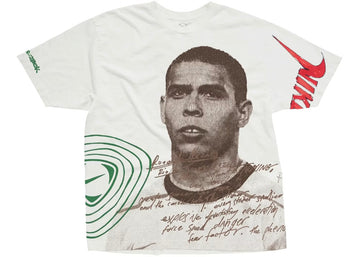
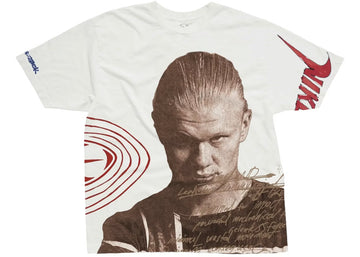
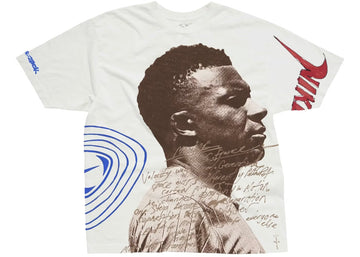
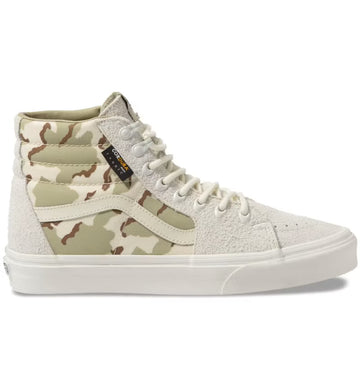
At first glance, the definition of streetwear is deceptively simple. The fashion industry defines streetwear as fashionable, casual clothing worn by followers of popular culture. Most of these followers are under 30, live in urban areas, and belong to a subculture (e.g., skaters or fans of hip-hop music).
The fashion industry has difficulty pinpointing exactly what qualifies as the streetwear style. It has a wide range of influences, including skate and surf culture, hip-hop music, sports, haute couture, and K-Pop. Its customer base is similarly diverse, encompassing every income level, socioeconomic status, and corner of the globe.
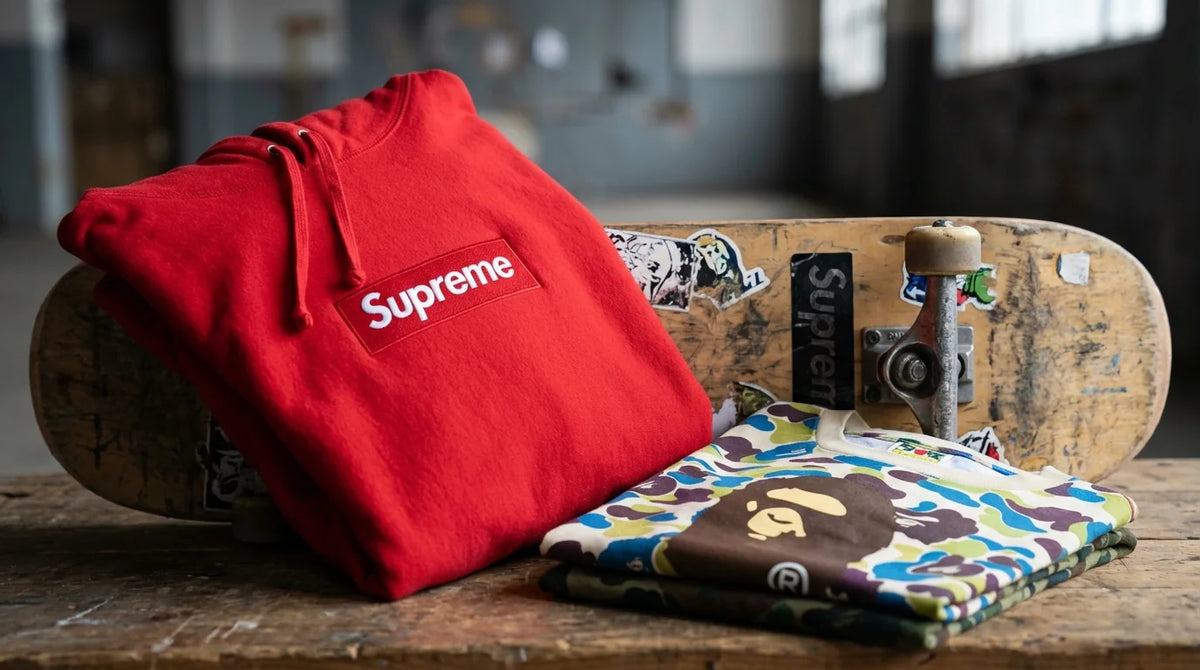
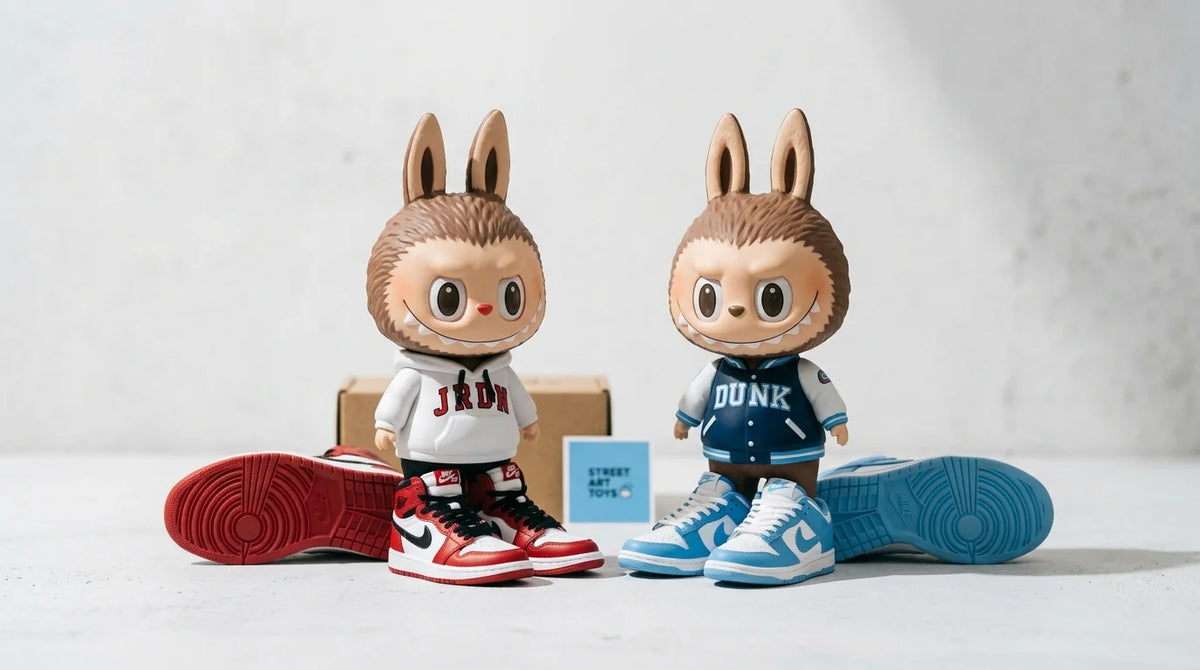
And no, we're not just getting lazy. Streetwear is much more than a common shift toward casual wear. There is much more than meets the eye behind expensive t-shirts, mile-long lines at sneaker releases, and designer logos placed on literally everything imaginable.
The impact of streetwear on the traditional fashion model
Streetwear turns the traditional model on its head. In the past, designers and trend forecasters dictated the trends that hit the runways, buyers determined which styles hit the stores, and magazine editors told consumers what they should and shouldn't buy for the upcoming season. But now, thanks to a streetwear model that is primarily direct-to-consumer, it is the consumers themselves who set the trends.
Streetwear has not only disrupted fashion, it has democratized it. Today’s digital world means that street style created by high-status individuals, such as influencers, celebrities, and musicians, has a huge influence on what we consider fashionable. Social media allows anyone to become an influencer or start their own clothing brand. In streetwear, it is the millions of users who like, share, and retweet who determine the next trend rather than the fashion elite.
Many streetwear brands sell exclusively through their own websites rather than traditional retail channels. They also use individual product drops (sneaker slang for a product release) instead of following a traditional runway calendar. By releasing a limited quantity at a specific time, brands can build hype in advance, ensure scarcity, and create high resale value once the product is sold out. Some product drops require potential customers to enter a lottery just to purchase the product.
Streetwear as a status symbol
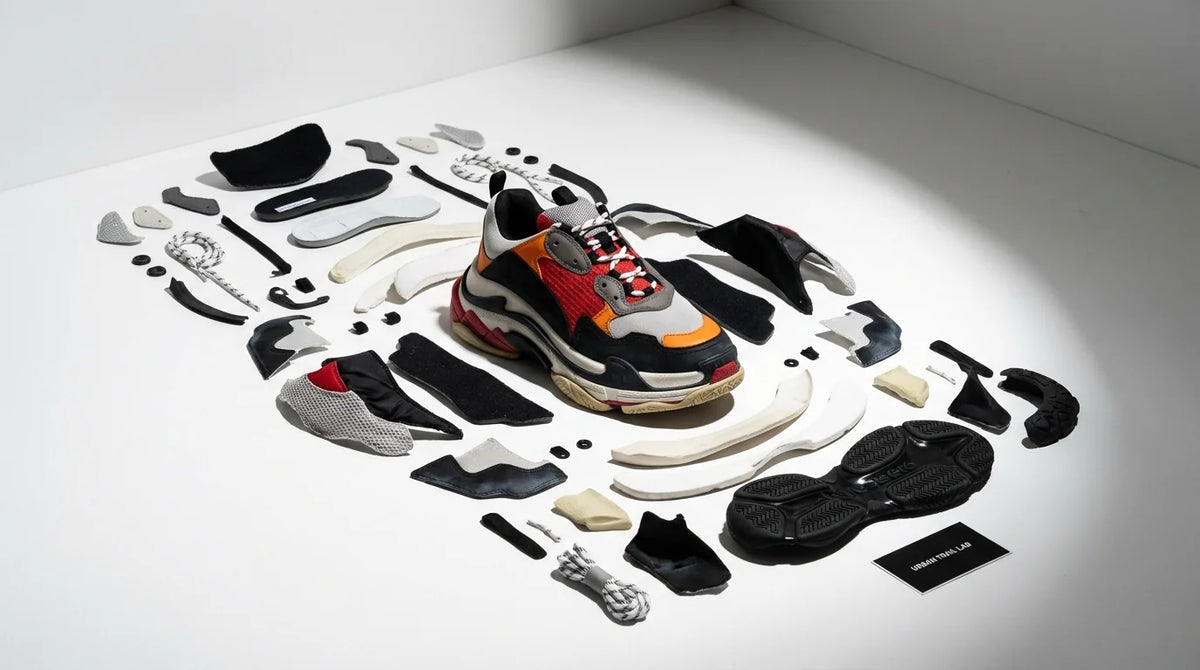
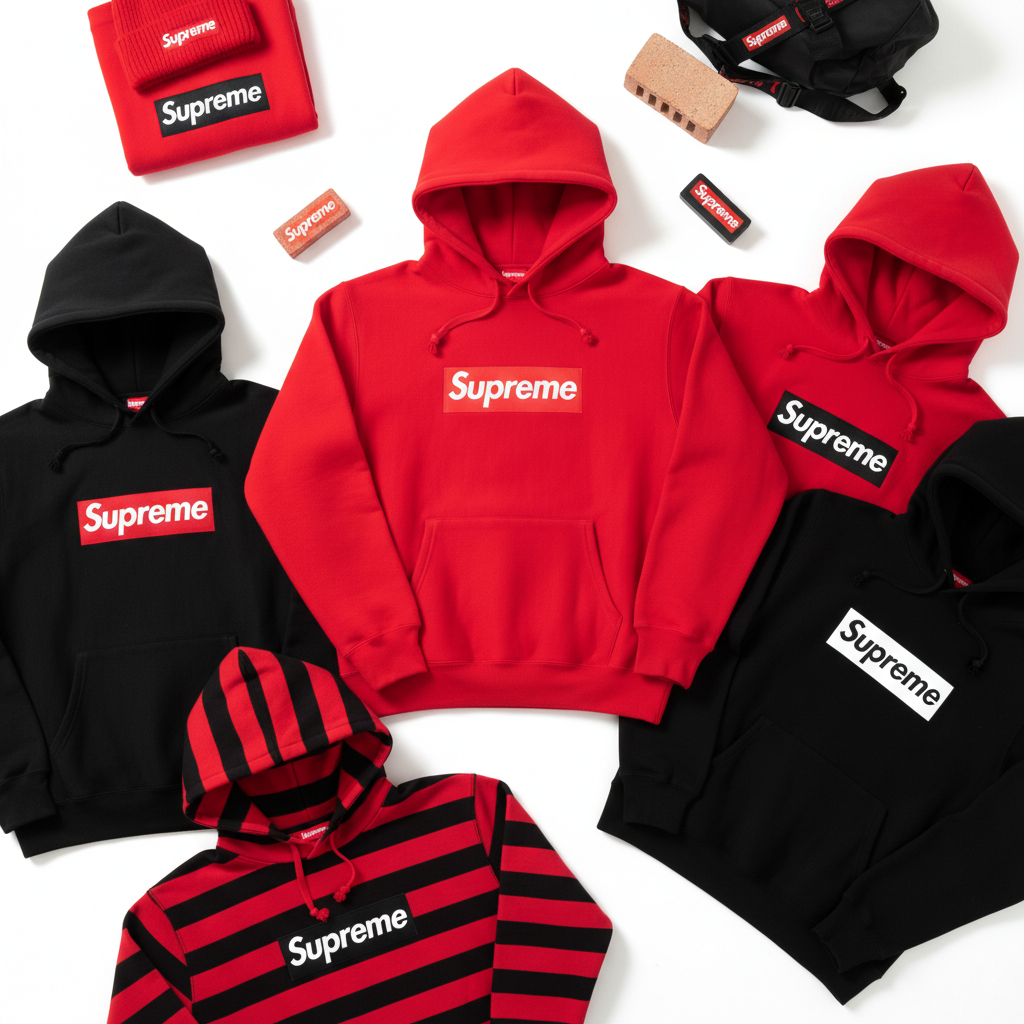
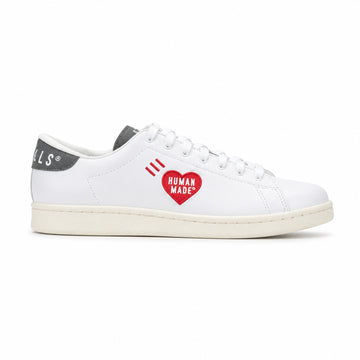
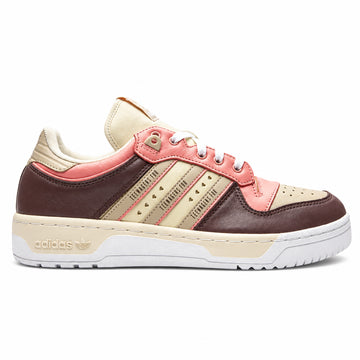
Luxury streetwear highlights the complex role that fashion plays in our consumer culture. The logo on your chest or the sneakers on your feet represent more than just the brand behind them. Stick a brand label on an item and it is a sign of status and exclusivity. These expensive labels are social status symbols that reflect your income level and personal values. In fashion, there are the haves (those in Balenciaga) and the have-nots (those in Zara knockoffs). Because not everyone can get their hands on an exclusive pair of designer shoes or pay several hundred dollars for them, the fast fashion industry has quickly jumped on the streetwear bandwagon to offer customers affordable dupes. While an untrained eye might not be able to tell the difference, an avid hypebeast can spot a fake or a hard-to-find designer piece from a mile away.
What is considered streetwear?
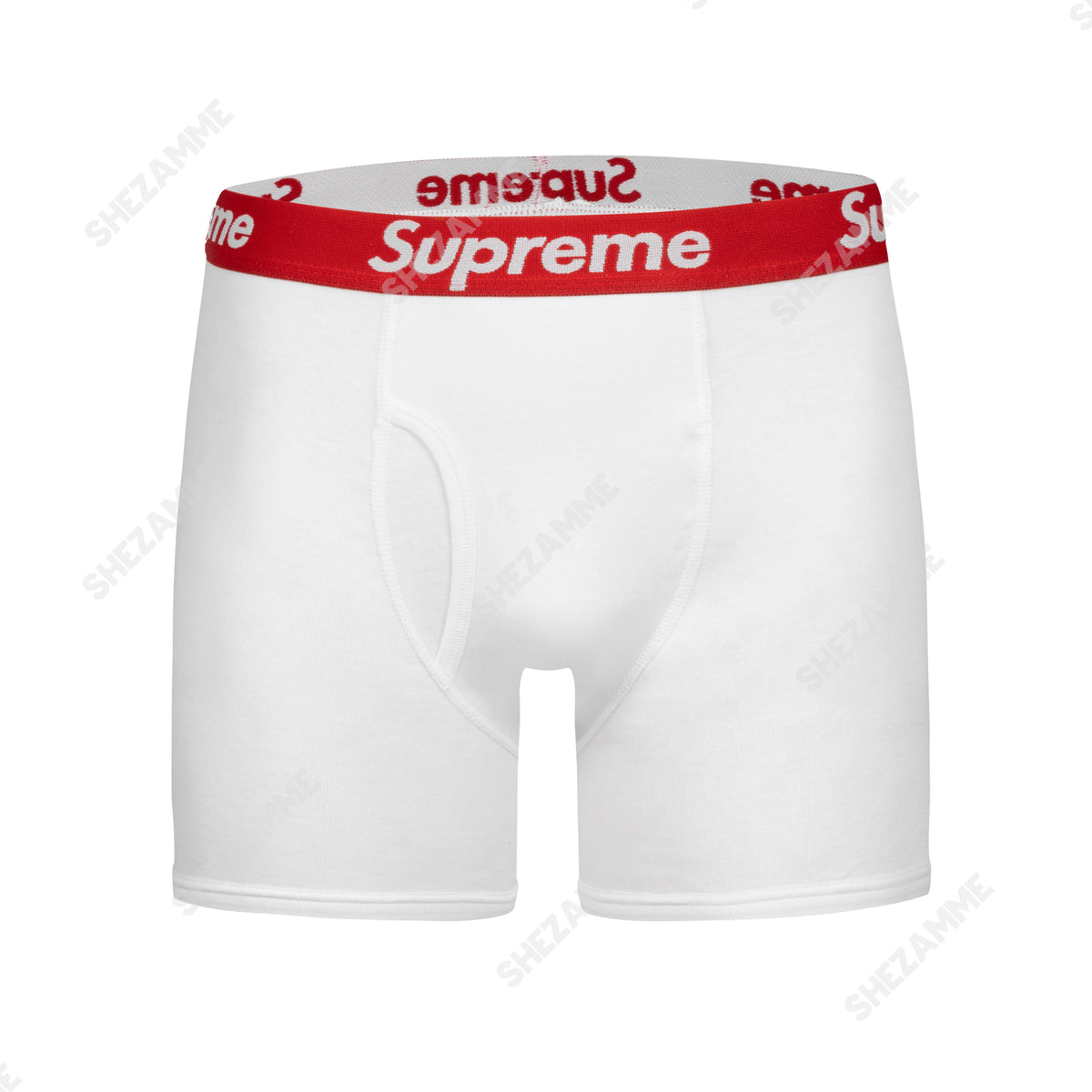
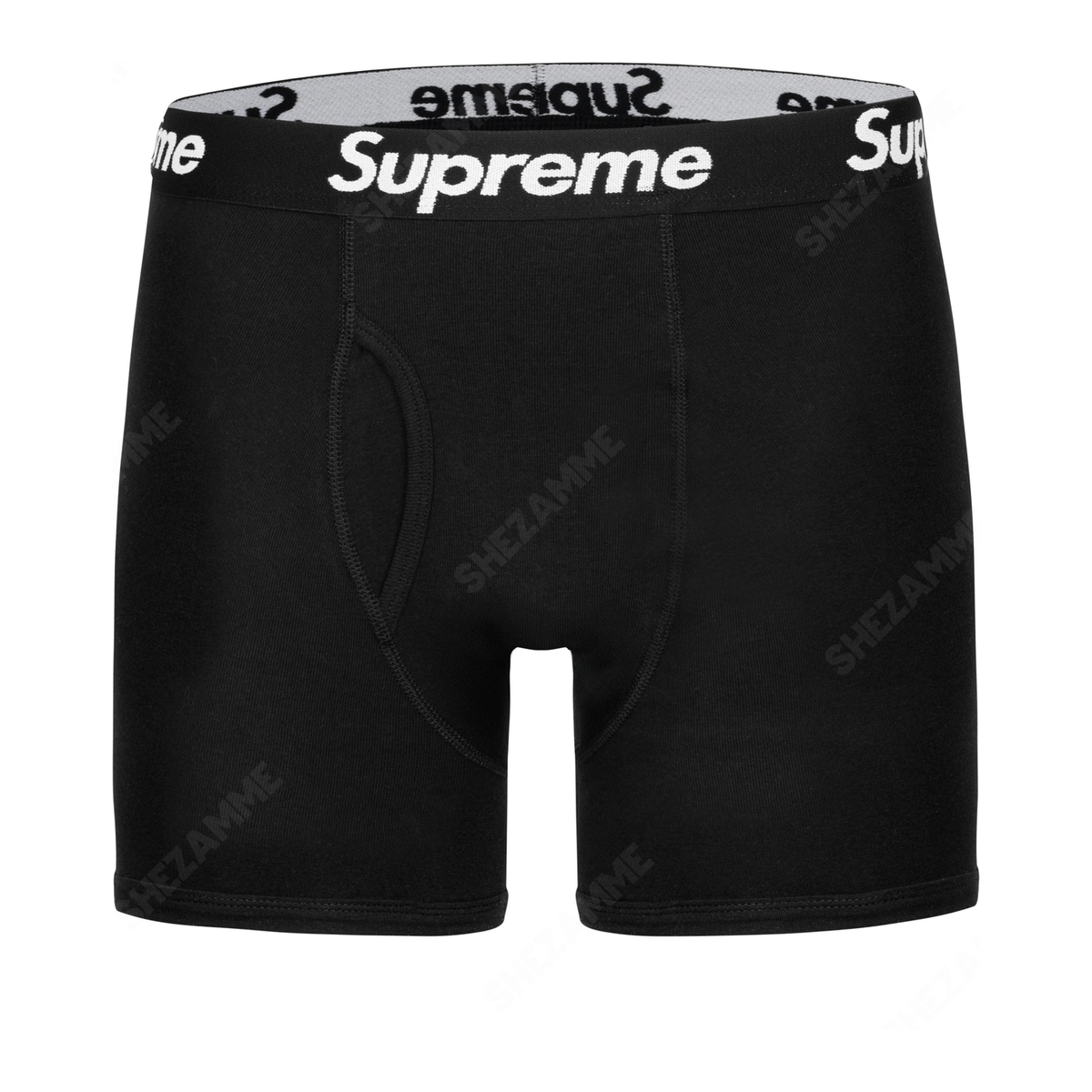
Whether you are wearing an expensive designer logo t-shirt or an affordable one from SHEZAMME, your fashion choices communicate something about who you are and what you value. Choose brands that reflect your personal style and fashion values.
Streetwear is highly personal and depends largely on personal style, location, and income level, so there is really no right or wrong way to wear streetwear. Style things in a way that feels authentic to you, rather than based on #sponsored posts in your feed. Remember that at the heart of streetwear lies the combination of comfort and practicality with self-expression.